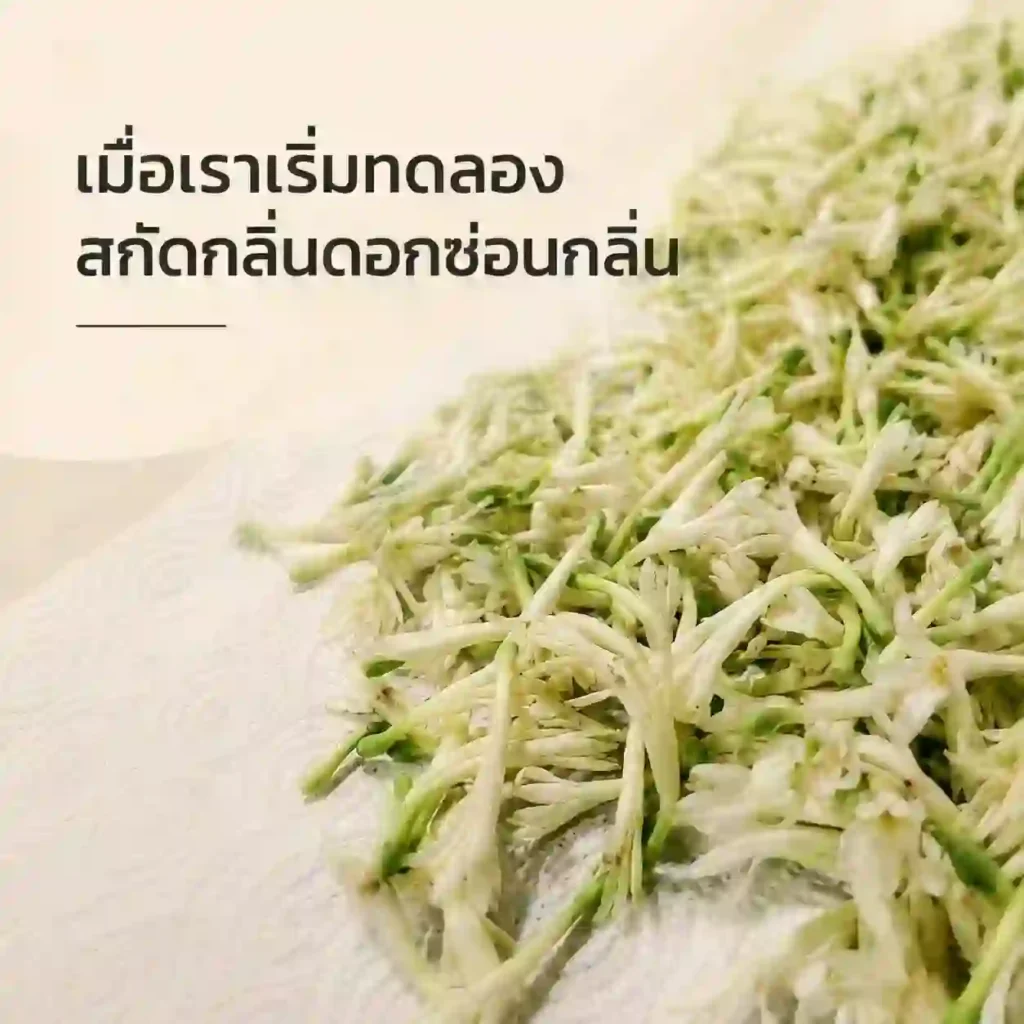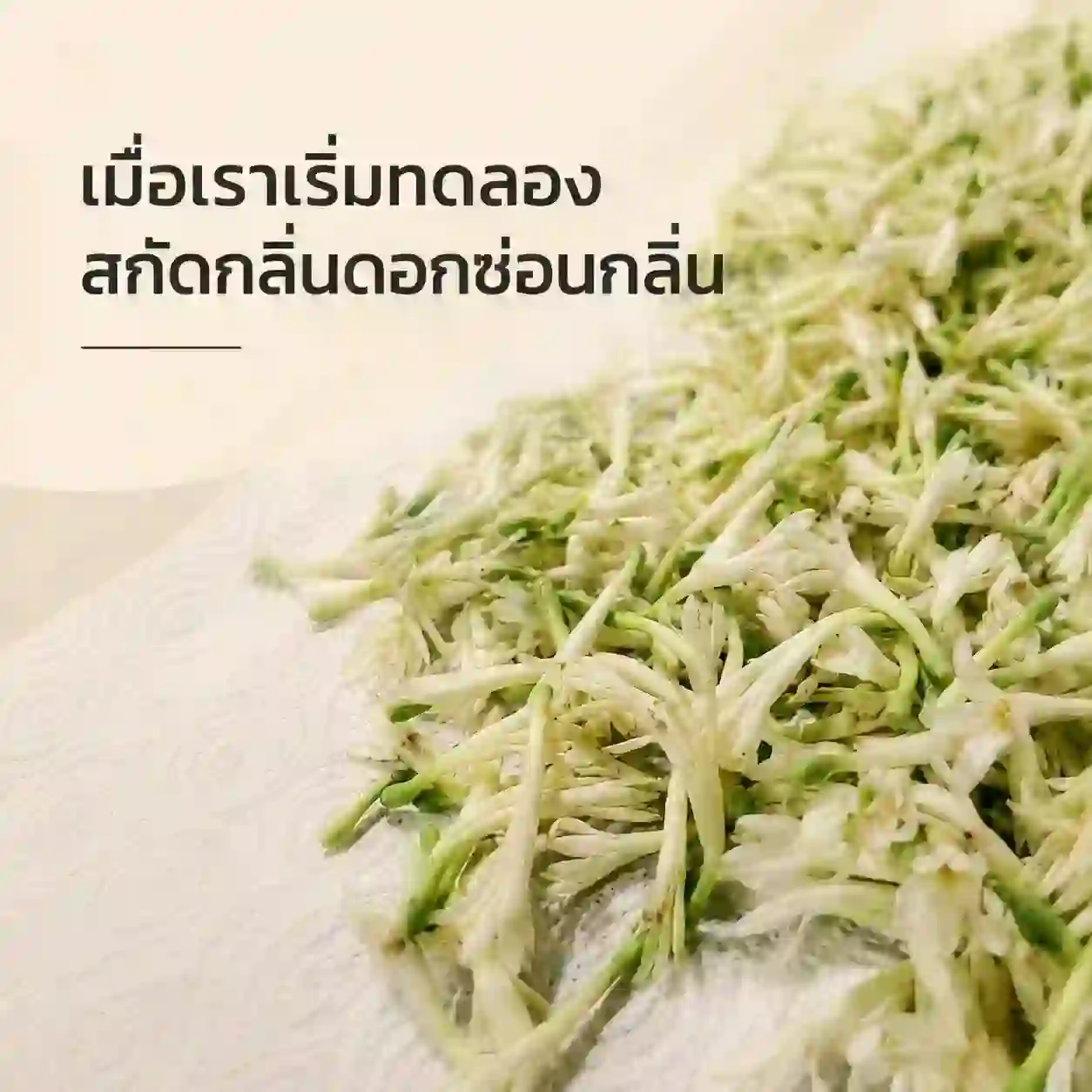
In 2024 we tried to extract the scent of tuberose using the simplest method available to anyone: soaking the flowers in alcohol, one kilogram at a time, replacing them with a fresh batch every week, four rounds in all, then leaving the jar to age for another six months.
What came back was the scent of alcohol.
This is a record of what we actually did, and the three reasons we only understood afterwards for why it did not work.
The question we were never quite brave enough to answer
Every time we take a business course, a classmate or a lecturer asks the same question.
"Why did you start AROMAYU?"
We were never quite brave enough to answer honestly, because the answer is this: we wanted to add value to Thai agricultural crops so that farmers could earn more.
It sounds enormous, and far beyond us.
But that really is where this began.
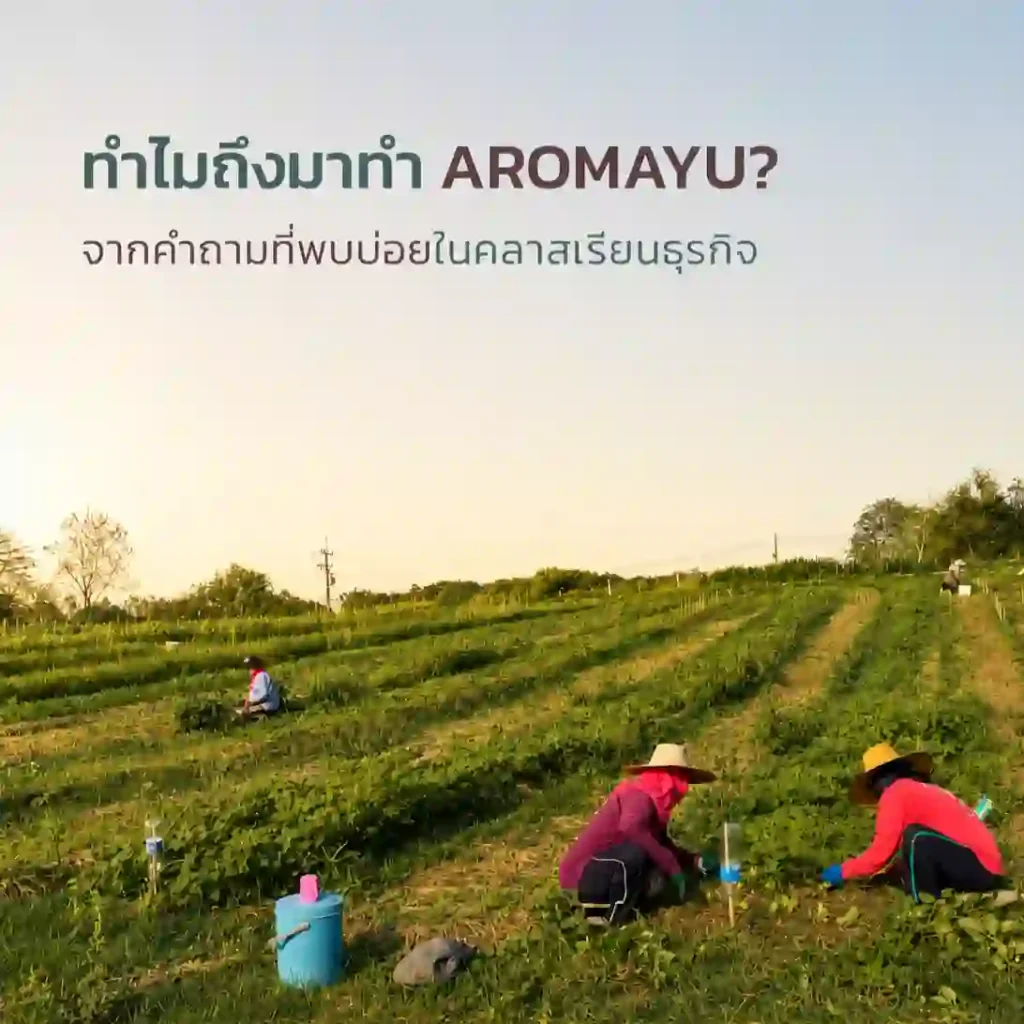
Before AROMAYU, we worked as a Project Manager on a farm management application. The job was to go out into the fields, gather requirements from farmers, and bring them back to the development team.
We did not ask them which features they wanted. We went to watch how they actually work: preparing the soil, sowing seed, transplanting seedlings, spraying organic ferment, harvesting, then trimming and packing the yield at the co-operative.
The more time we spent in the fields, the more we felt that what farmers needed was not another application, but a way to make the harvest they already had worth more.
Because when a harvest comes in larger than the demand, the price falls. Sometimes there is so much left over that it ends up given away to temples or schools.
One question stayed with us: how do you make a crop that is already being grown worth more than this?
Why tuberose scent is so valuable
We began looking for crops that gain value once processed, and came across tuberose (Tuberose, Polianthes tuberosa L.)
What we read at the time said that the aromatic extract from tuberose can be worth millions of baht per litre.
That number is what made us stop and ask: what if we could draw the scent out of this flower ourselves?
The deeper we looked, the more we understood why it costs what it does.
In the perfume industry, a single kilogram of tuberose extract takes an enormous quantity of fresh flowers. Thai sources put it at roughly 3,600 kilograms (Technology Chaoban) while international perfumery sources put it higher, at somewhere between 6,000 and 8,000 kilograms (Première Peau) The figures differ by extraction method and by source, but both say the same thing.
In Thailand this has been studied seriously as well. Research from Kasetsart University compared tuberose oil extraction using both cold and hot fat enfleurage as well as solvents such as hexane and petroleum ether, and found that each method yields a different quantity and a different character of scent.
At the time we had not read any of this research. We only knew that this flower was valuable, and we wanted to see how it was grown.
Travelling to Khon Kaen to see the field for ourselves
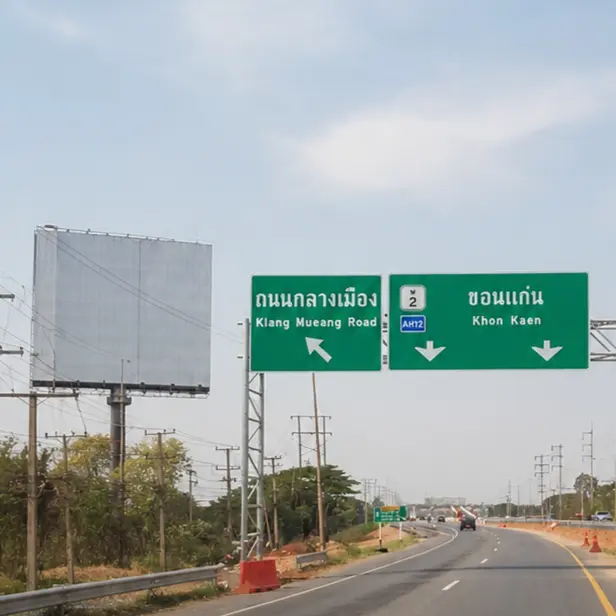
We travelled up to Khon Kaen to see the growing field with our own eyes, and to learn how to grow it from the farm owner.
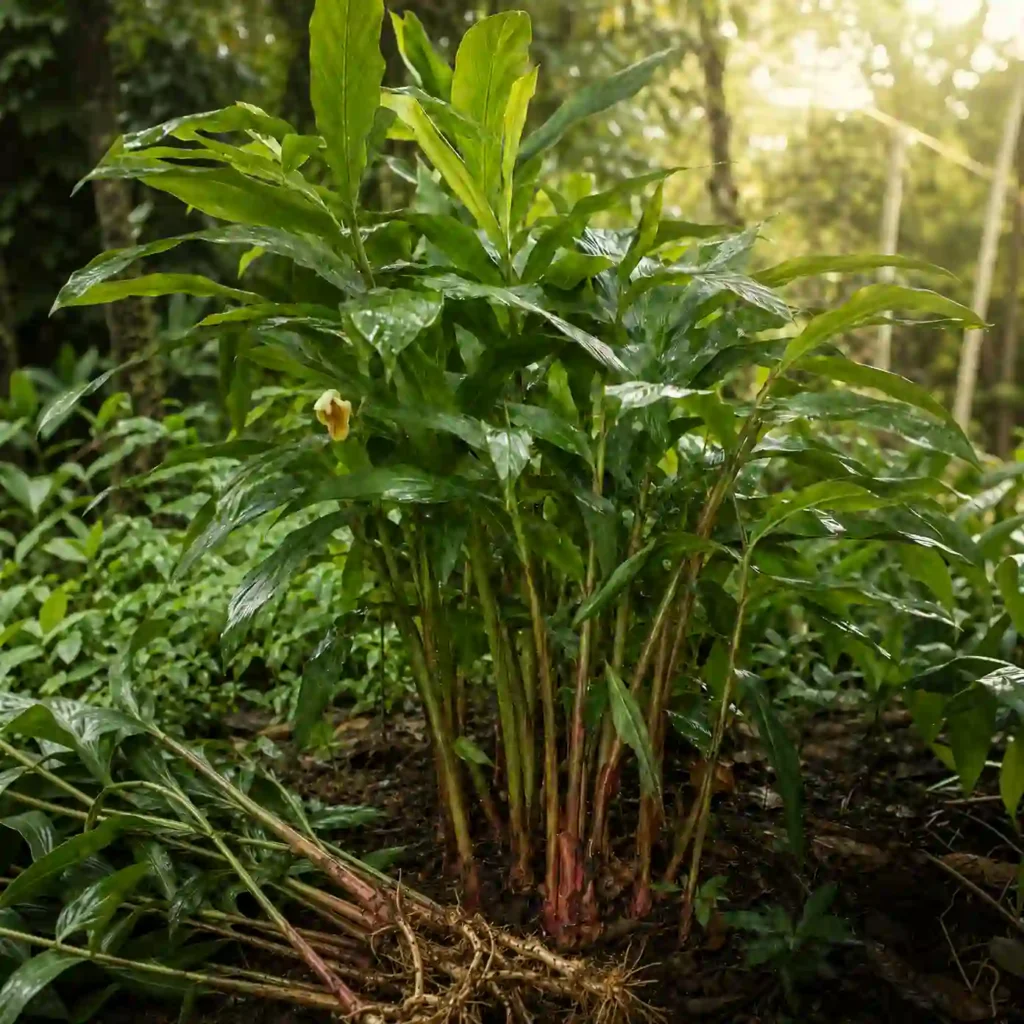
Tuberose grows from an underground bulb in clumps no taller than half a metre, flowering all year round when well cared for, and propagated by dividing the bulbs.
We bought fifty bulbs to try growing at home.
One thing worth separating clearly, because these are two different threads: the fifty bulbs were a long-term growing experiment. The flowers we later used for the extraction were ordered from that same farm in Khon Kaen, not picked from the plants at home, because it takes far longer before those plants are mature enough to flower.
When is tuberose at its most fragrant?
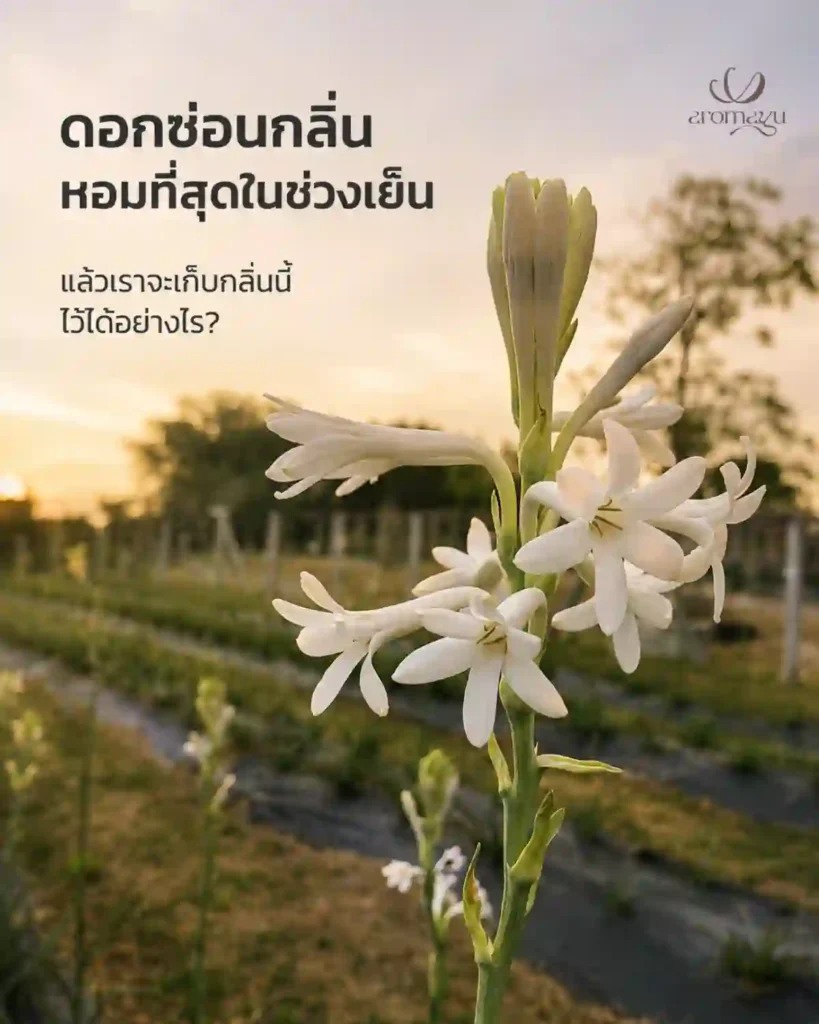
While we were at the farm, the owner said one thing that we only half took in at the time.
Tuberose is at its most fragrant in the evening, around five o’clock.
He went on to say that he had studied perfumery using tuberose, and he suggested a way to capture the scent by soaking the flowers in alcohol, along with where in Thailand we could learn perfumery ourselves.
Months later, when we began reading international perfumery literature, we found that this was not local knowledge at all.
In industrial tuberose extraction, the flowers are hand-picked at dawn or dusk, when the blooms release the most scent, and must enter the process within a few hours of picking.
The farm owner in Khon Kaen told us the same thing, without citing a single textbook.
When we started our tuberose scent extraction experiment
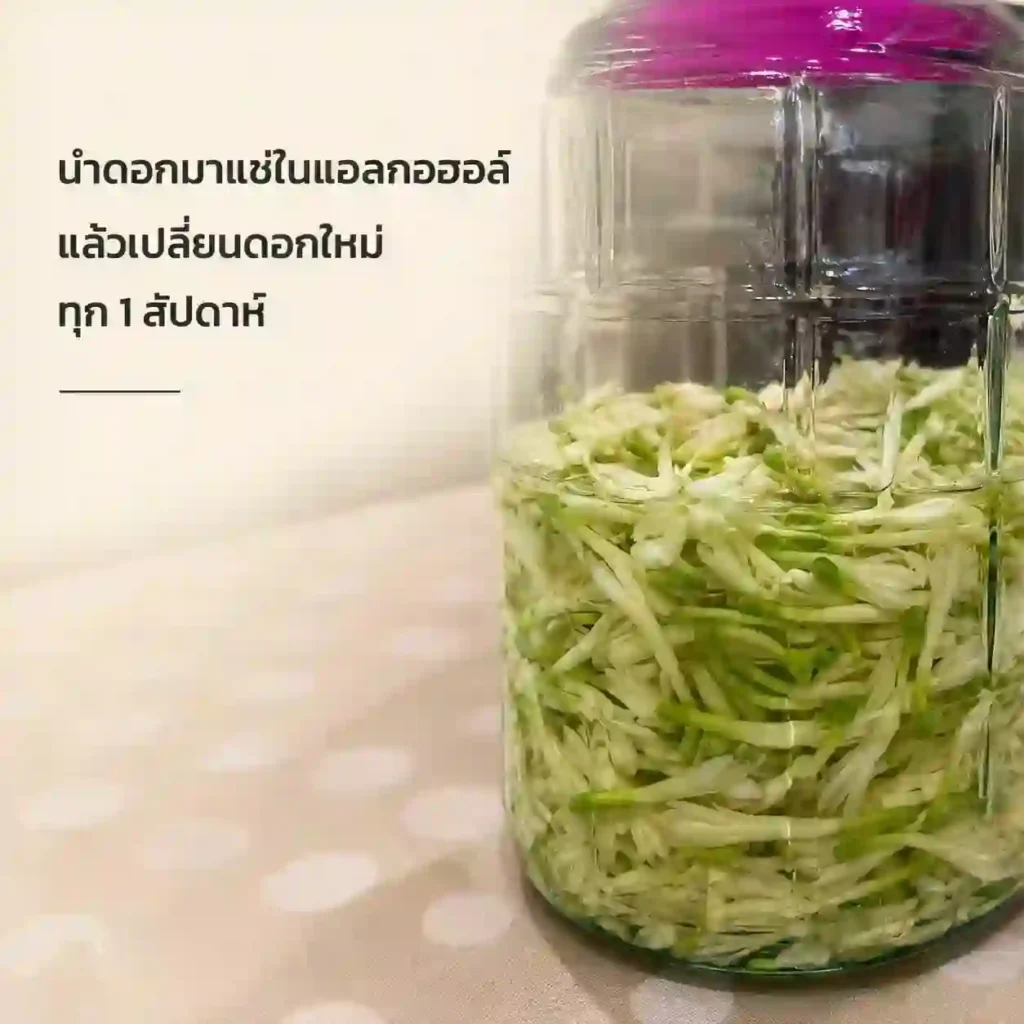
We ordered tuberose from the farm to experiment with ourselves, one kilogram at a time.
When the flowers arrived, we sorted out the bruised and spoiled ones, then covered the rest with alcohol.
Every week we took out the old batch of flowers and replaced it with a fresh one, so the alcohol would take on more of the scent each time.
We repeated this four times, using four kilograms of flowers across the whole experiment.
On the final round we removed all the flowers, sealed the jar, and kept it in the dark for another six months.
While we waited, we went to study Thai perfumery, as the farm owner had suggested.
Six months of soaking, and what came back
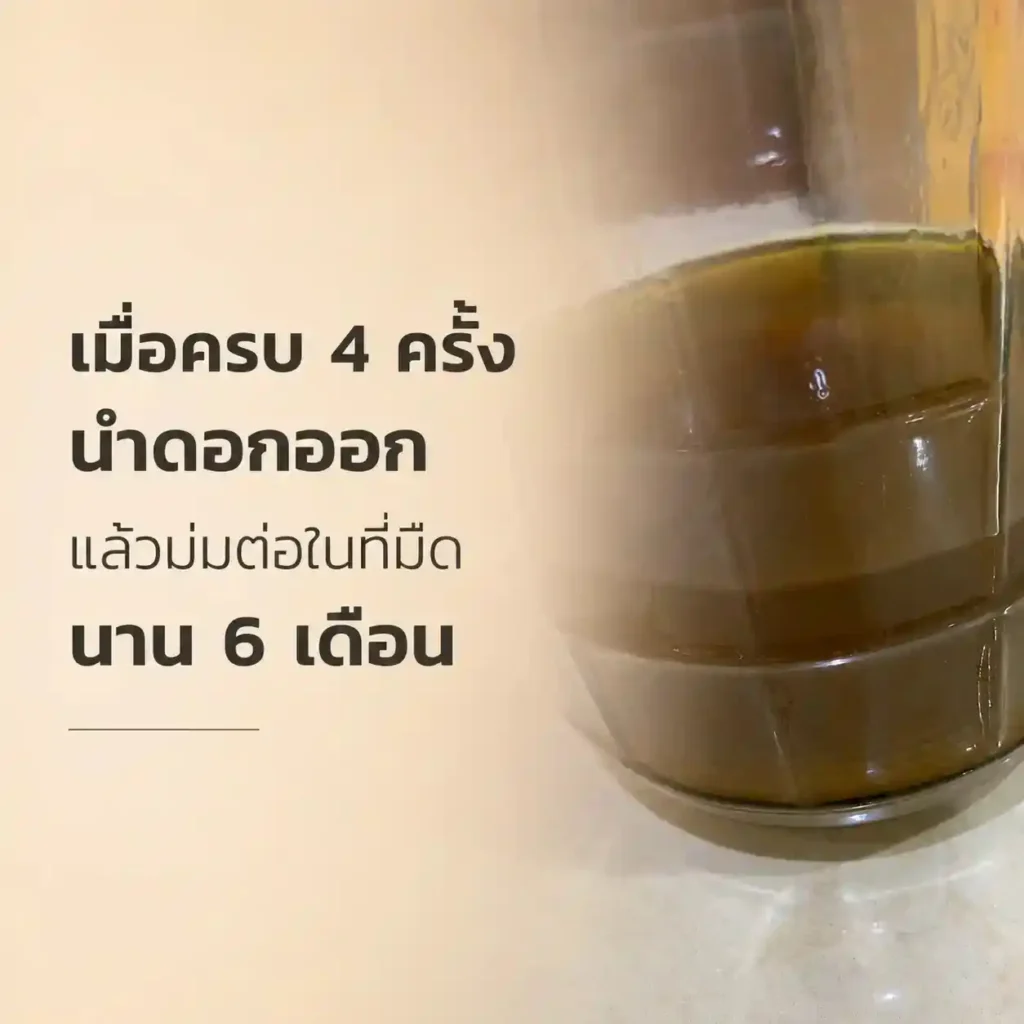
Six months later, we opened the jar.
The first thing that reached us was alcohol.
We came back to it again, and again, searching for anything at all that was left of the four batches of flowers.
None
We kept it a while longer, in case time would help. The scent we wanted never appeared.
Why that experiment did not work
At the start, we understood only that flowers are fragrant, and that if you soak them in alcohol the scent should be held in the liquid.
Once we had done it and gone back for more information, we found three reasons.
First, soaking in alcohol and real extraction are two different processes
Industrial tuberose extraction uses a solvent such as hexane on the fresh flowers to produce a concentrated aromatic concrete first, which is then washed with ethanol in a second step. Simply soaking flowers in alcohol skips that first stage entirely.
Second, the quantity of flowers we used was nowhere near the real scale
Four kilograms of flowers across the whole experiment, against the thousands to tens of thousands of kilograms it takes to produce one kilogram of extract. That gap is not a matter of technique. It is a matter of scale.
Third, the flowers we received were not fresh enough by the time we began
This was the last one we understood, and it goes back to what the farm owner told us. Tuberose destined for aromatic work has to enter the process within a few hours of picking. Ours travelled across provinces, and by the time it arrived we had to sort out the bruised and spoiled flowers first.
The scent that should have been captured at five in the evening at the field was already gone from that batch before we started.
Extraction methods we came to know afterwards
| Method | How it works | Limitations |
|---|---|---|
| Alcohol maceration (what we did) | Soak the flowers in alcohol, replacing them in rounds | Can be done at home, but is not the process used to produce real aromatic extracts |
| Fat extraction (enfleurage) | Fat absorbs the scent from fresh flowers, in both cold and hot methods | Labour-intensive and very slow |
| Solvent extraction | Hexane produces a concrete, which is then washed with ethanol | Requires chemicals and specialised equipment |
| CO₂ extraction | Carbon dioxide under pressure | Requires specialised equipment and process control |
After that we contacted several government agencies that offer extraction services, to ask which method might suit tuberose, and we went on to study extraction further ourselves.
The more we studied, the more we found that the scent of a flower does not depend on the extraction method alone. It depends on the condition of the bloom, the hour it was picked, the season, the transport, and how the flowers are handled before the process begins.
What we got back instead of a scent
That first experiment did not give us the tuberose scent we wanted. It gave us a whole set of new questions instead, and those questions are what led us on to essential oils, aromatic plant extraction and the craft of perfumery, and eventually tothe AROMAYU story andthe clay fish diffuser that came afterwards.
These days, when we choose materials forthe Relax & Balance blends orthe Thai botanicals we work with the first thing we ask is not how fragrant it is.
We ask when it was picked, and how long it travelled to reach us.
That question came from a single jar with no scent in it.
In the next article, we will tell you what the search for a method suited to Thai flowers led us to.