Rice Paddy Herb (Limnophila aromatica): The Aromatic Thai Herb Behind AROMAYU's Essential Oils
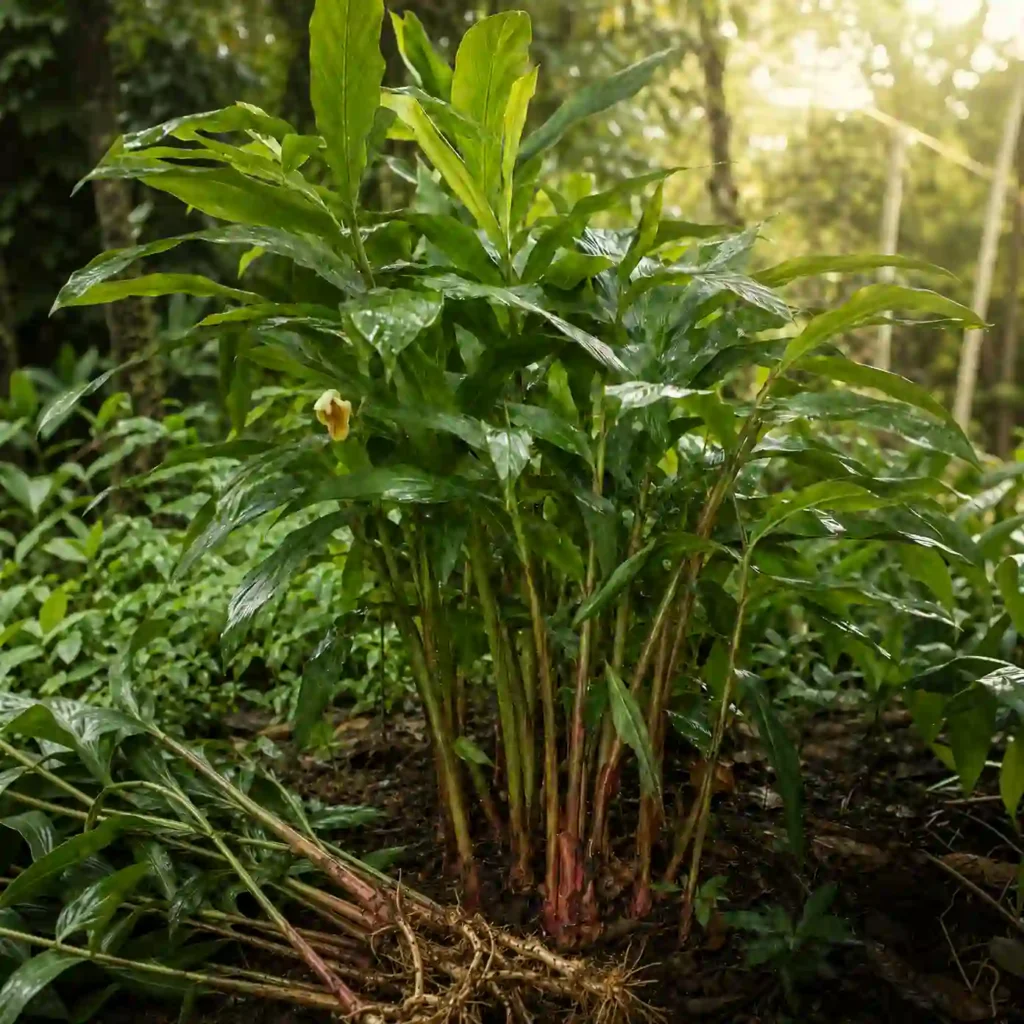
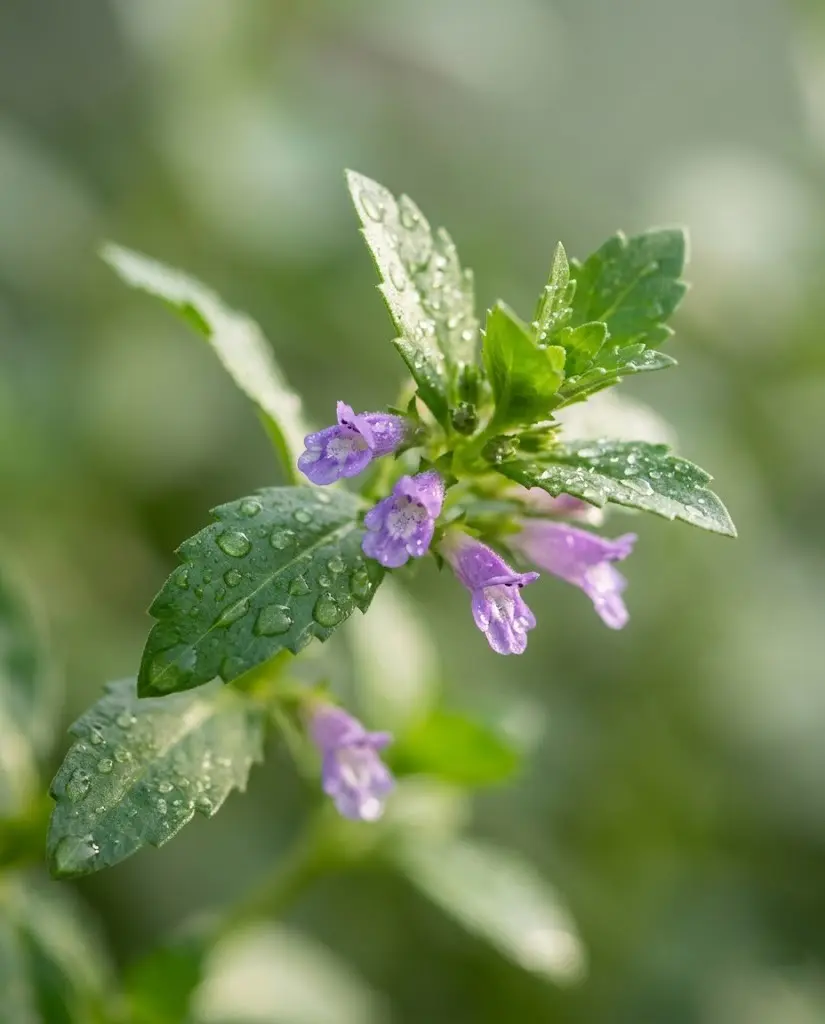
Rice paddy herb is a traditional Thai herb with the scientific name Limnophila aromatica. Its English name, “Rice Paddy Herb,” comes from the fact that it thrives in rice fields
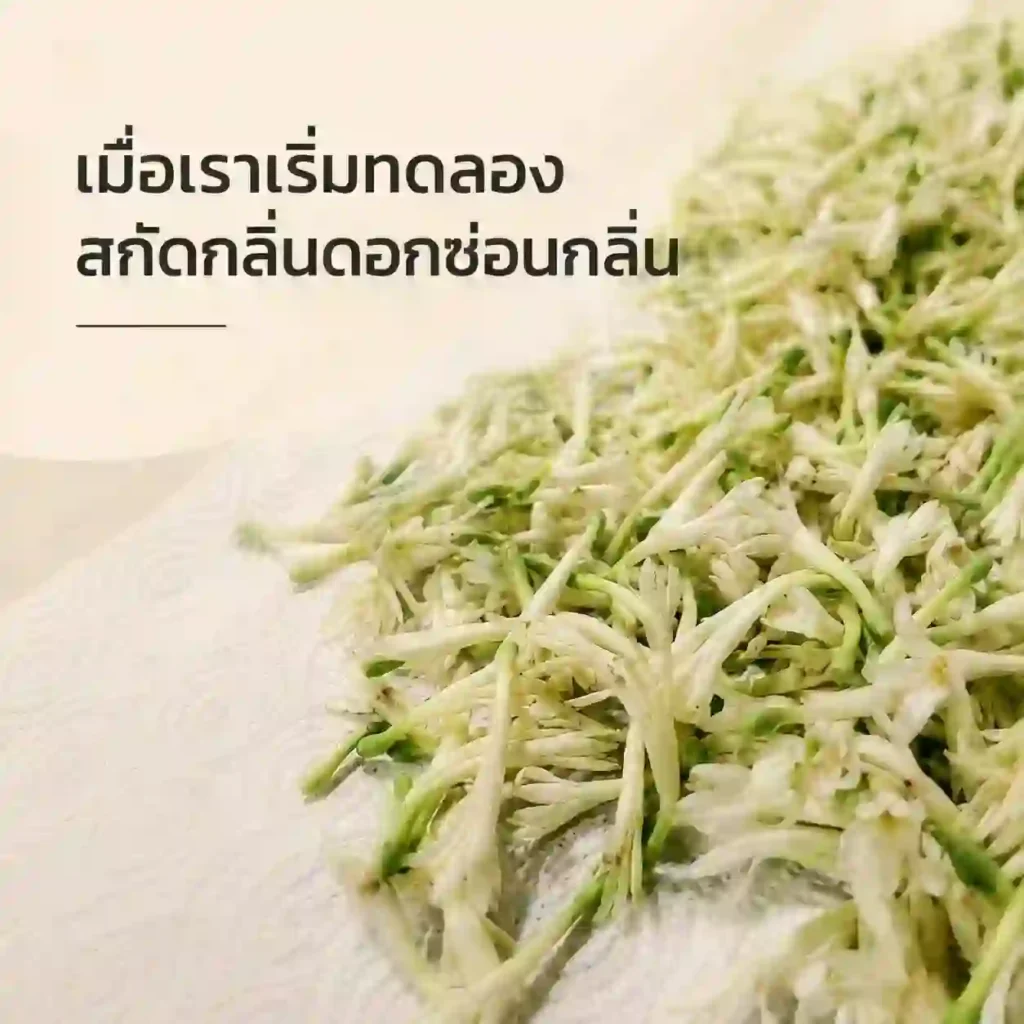
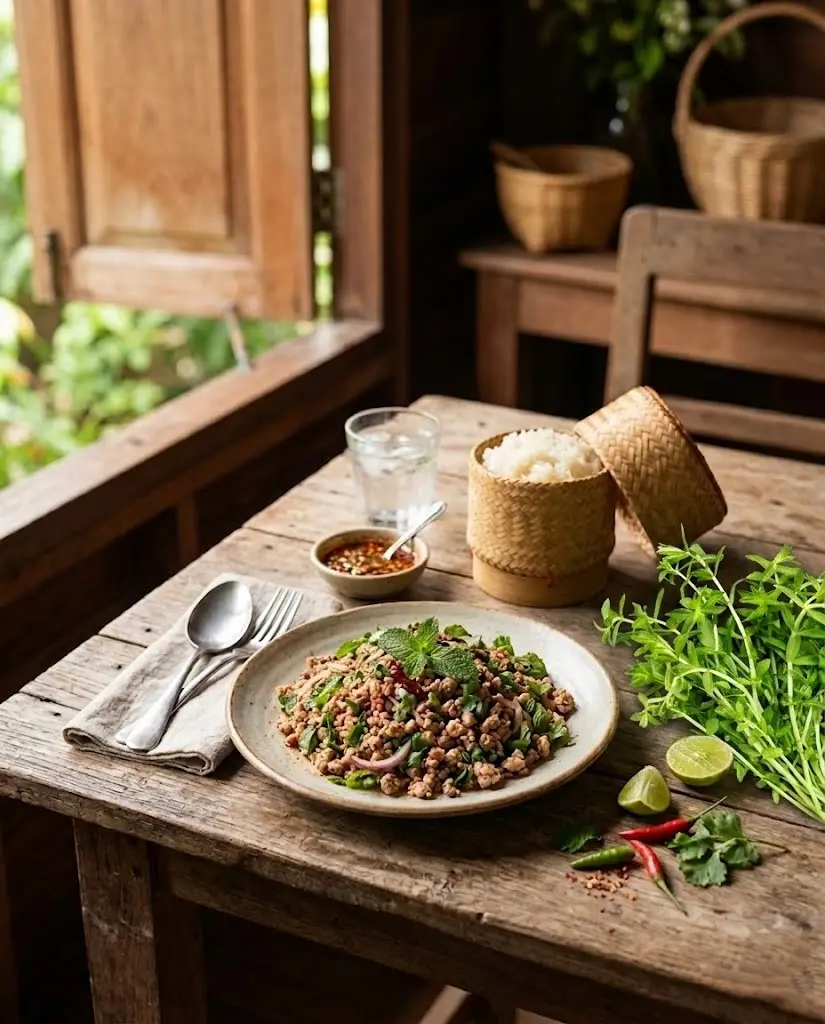
and wetlands. It has a distinctive aroma reminiscent of basil mixed with lime, and Thais know it well as a fresh herb served with larb, koi, and gaeng om. Today, it is also distilled into an essential oil prized for its standout fragrance.
Rice paddy herb is one of the native botanicals AROMAYU has chosen under our
“Where East Meets World” philosophy — blending Thai wisdom with science, the art of perfumery, and aromatherapy. Let's get to know this remarkable plant a little more closely.
What Is Rice Paddy Herb? Names and Origins
Rice paddy herb (Limnophila aromatica) belongs to the family Plantaginaceae
(formerly Scrophulariaceae). It is a moisture-loving annual plant found throughout Southeast Asia, northern Australia, and parts of China, India, and Japan.
In Thailand it goes by many local names, such as phak kayaeng, phak ka-om, ma-om, phak pha, and phak luem phua. It's especially popular in Isan (northeastern) and northern Thai cuisine, where its distinctive aroma helps cut through strong or "fishy" flavors and adds a fresh lift to dishes.
Beyond its role in the kitchen, rice paddy herb reflects the riverside, rice-field way of life in Thailand. Because it grows naturally in paddies and wetlands, villagers often pick it fresh for each meal — making it an ingredient that's easy to find locally and deeply woven into traditional Thai food culture. It can also be grown in containers with shallow standing water, making it well suited to growing at home for your own use.
With its distinctive aroma and cultural value, rice paddy herb is a Thai herb well worth exploring — with plenty of potential still to be discovered today.
Rice Paddy Herb Benefits and Traditional Uses
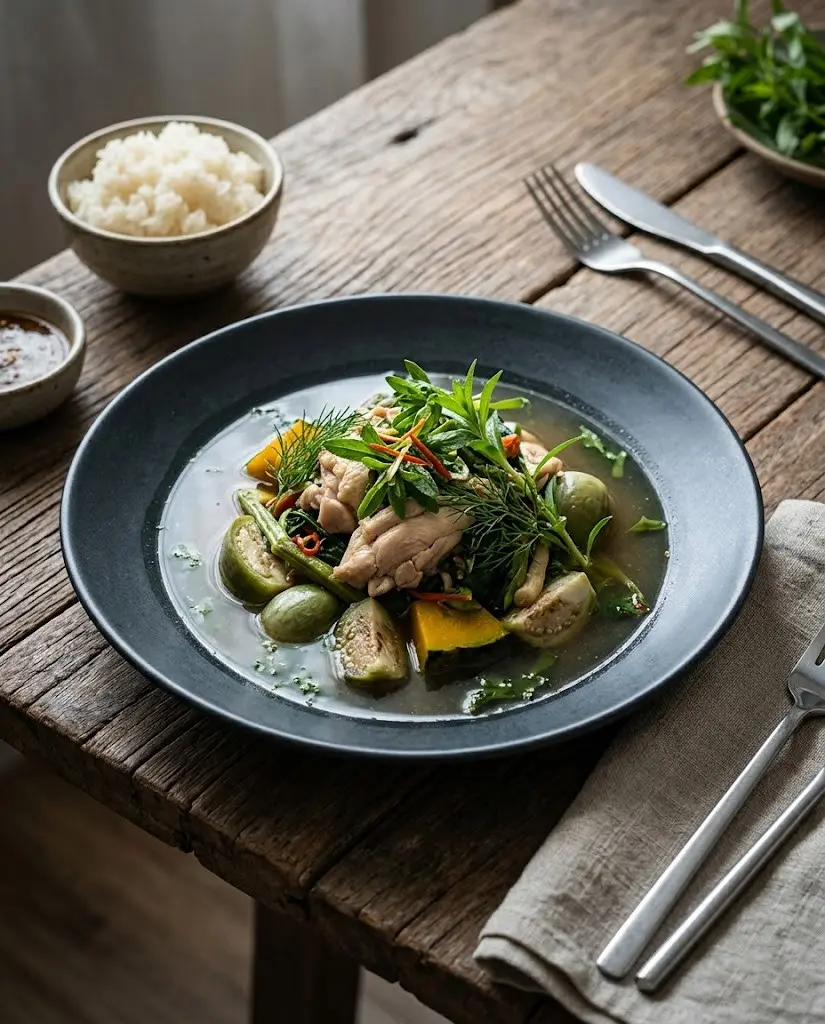
In cooking, rice paddy herb enhances aroma, adds freshness, and cuts through strong or "fishy" flavors in dishes such as tom som, bamboo shoot curry, and gaeng om.
In traditional Thai and Vietnamese folk practice (long-held local wisdom), rice paddy herb has been used in various ways — for example, brewed as a drink to feel refreshed, to help relieve bloating, and as a herb that supports appetite. Studies have also found that rice paddy herb contains antioxidant compounds in the flavonoid group.
Note: Information on traditional folk remedies reflects long-held beliefs and local wisdom, not medical advice.
The Aroma and Chemical Composition of Rice Paddy Herb
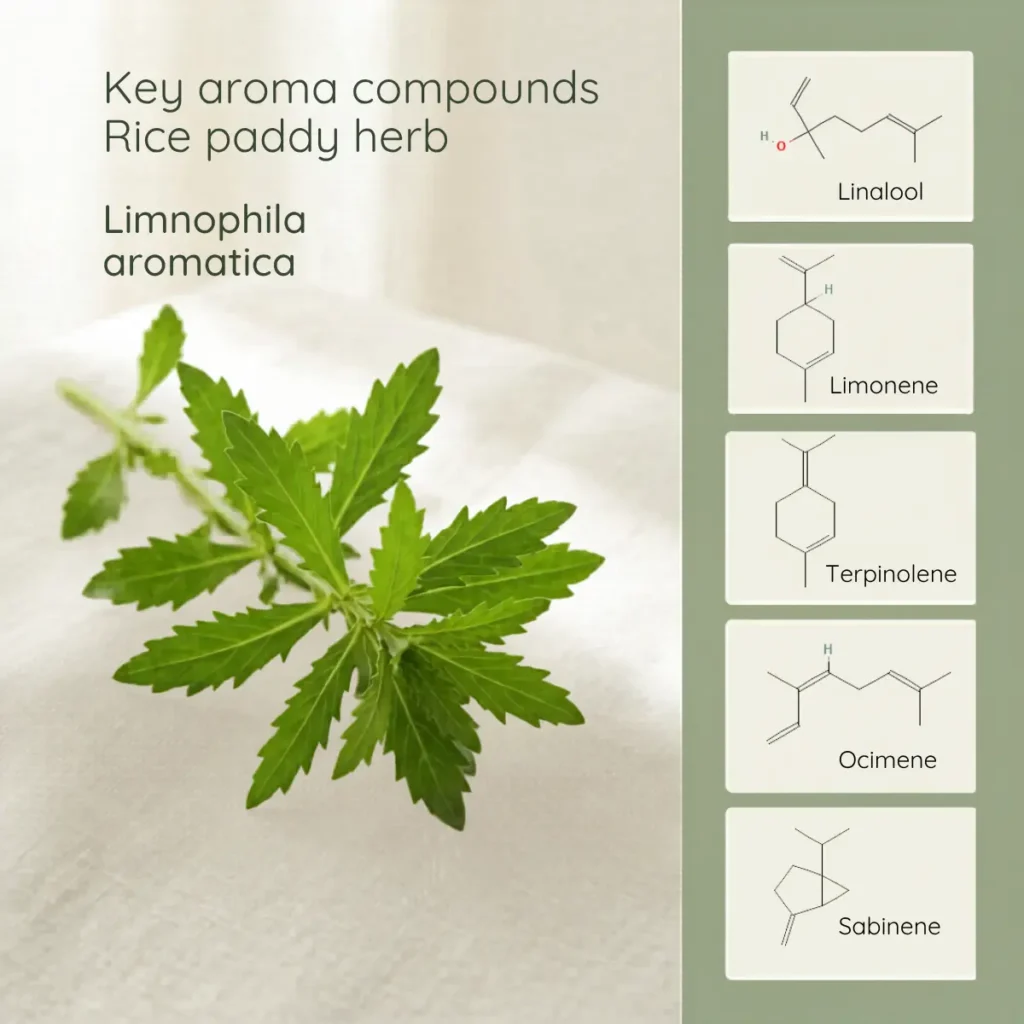
The distinctive aroma of rice paddy herb comes from an essential oil made up of several terpene compounds, whose proportions vary by growing region and extract…The distinctive aroma of rice paddy herb comes from an essential oil made up of several terpene compounds, whose proportions vary by growing region and extraction method. Several studies report key compounds such as:
- Terpinolene — a monoterpene that gives a fresh, distinctive scent
- Ocimene (Z-Ocimene) — gives a fresh, herbaceous scent
- Limonene — a fresh, citrus-like scent
- Linalool — a soft, floral scent
- Sabinene — a fresh, woody scent
It also contains flavonoid compounds such as nevadensin and gardenin B — polyphenols that contribute to rice paddy herb's distinctive aroma.
Research — Rice Paddy Herb Aroma, Brain Waves, and Mood

A randomized crossover study published in Research Journal of Pharmacognosy examined the effects of inhaling rice paddy herb essential oil in healthy volunteers, measuring brain-wave activity with EEG.
The study found that exposure to rice paddy herb aroma was associated with an increase in alpha brain waves across several regions of the
brain — a wave pattern seen in states of relaxation — and participants reported more positive moods. It is one of the first studies
to examine the effects of rice paddy herb aroma on brain activity.

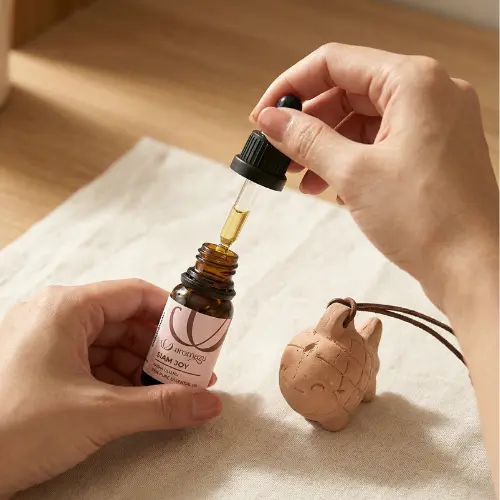
- Siam Joy (Uplift & Renew line) — a bright, uplifting scent, ideal for moments when you want to lift your spirits and feel cheerful and good.
The oil is extracted by hydro-distillation, a method that fully preserves its aromatic compounds. Rice paddy herb is selected from quality growers and harvested when its essential oil content is at its peak, then blended with other essential oils — such as holy basil, lime, and frankincense — in just the right proportions, reflecting the “Where East Meets World” philosophy.
From Rice Field to Bottle — Rice Paddy Herb in AROMAYU Essential Oils
With its standout aroma, AROMAYU brings rice paddy herb essential oil into two blends, each designed for a different mood and moment:With its standout aroma, AROMAYU brings rice paddy herb essential oil into two blends, each designed for a different mood and moment:
- Mindful Focus (Focus & Energy line) — a fresh, invigorating scent, ideal for moments when you want to concentrate, feel alert, and stay focused, such as while working or before a meeting
How to Use Products with Phak Kayang Scent
Mindful Focus and Siam Joy (Aroma Blend, Essential Oil 10 ml) are used the same way — choose whichever suits the mood you want at each moment of the day:
- Diffuser: add 3–5 drops to set the mood in your workspace or personal space — try Mindful Focus when you want to focus, and Siam Joy when you want a mood lift
- Wooden fish diffuser / personal diffuser charm: add 1–2 drops for a portable scent you can take anywhere
- Aroma stones / natural rock salt: add 2–3 drops to let the scent diffuse gently in a small space — ideal for placing on a work desk
or nightstand
Is Rice Paddy Herb Safe? Precautions to Know
Although rice paddy herb is an edible local vegetable, it's worth knowing that pregnant women should avoid eating it, and rice paddy herb is fairly
high in calcium oxalate. Eating large amounts continuously may not be suitable for those at risk of kidney stones, so it's best enjoyed in moderation.
Frequently Asked Questions (FAQ)
It's commonly called rice paddy herb; its scientific name is Limnophila aromatica. In Thai it's phak khayang.
Fresh and aromatic — often described as a blend of basil, citrus, and cumin, thanks to terpene compounds like terpinolene, ocimene, and linalool.
Mainly as a fresh culinary herb in Thai and Vietnamese dishes (larb, sour soups, curries) and, as an essential oil, in aromatherapy diffusion.
Research links exposure to rice paddy herb aroma with increased alpha brain-wave activity (associated with relaxation) and more positive mood.
Pregnant women and people prone to kidney stones should avoid or limit it due to its calcium oxalate content.
Conclusion
Rice paddy herb is far more than a kitchen garnish — it's a aroma Thai botanical with a story and growing scientific interest. Bridging Thai heritage with science and aromatherapy is the heart of AROMAYU's "Where East Meets World" philosophy.
If you'd like to experience the fresh, uplifting aroma of rice paddy herb as part of your everyday life, get to know Siam Joy and Mindful Focus — essential oils that blend rice paddy herb beautifully. → [Shop Siam Joy] · [Shop Mindful Focus]
Read more about scent and the art of caring for your mood from AROMAYU: → The Science of Scent & Belief · The Wooden Fish Diffuser Story · <a class="underline underline underline-offset-2 decoration-1 decoration-current/40
References
- Chemical Composition Study of Rice Paddy Herb Essential Oil) Limnophila aromatica essential oil (terpinolene, ocimene, limonene)
- Herb information:
medthai.com
disthai.com - Brain-Wave Study (Research Journal of Pharmacognosy)
- PubChem (Linalool molecule)
- Wikipedia “Limnophila aromatica”