Sometimes the things we set out to do take us somewhere we never imagined.
When I think back to where the story of AROMAYU began, I remember small questions that came to me at different points in my life. I had no plans to start an essential oil brand then.
How could Thai farmers earn more from what they grow? What makes the scent of certain flowers so valuable? And could noticing a scent help me notice what was happening within me?
Those questions gradually drew me into the study of plants, scent and the ways our sense of smell connects with how we feel.
From a question about Thai crops to a field of tuberose
I wondered how Thai crops could be worth more than the price they fetch as raw materials.
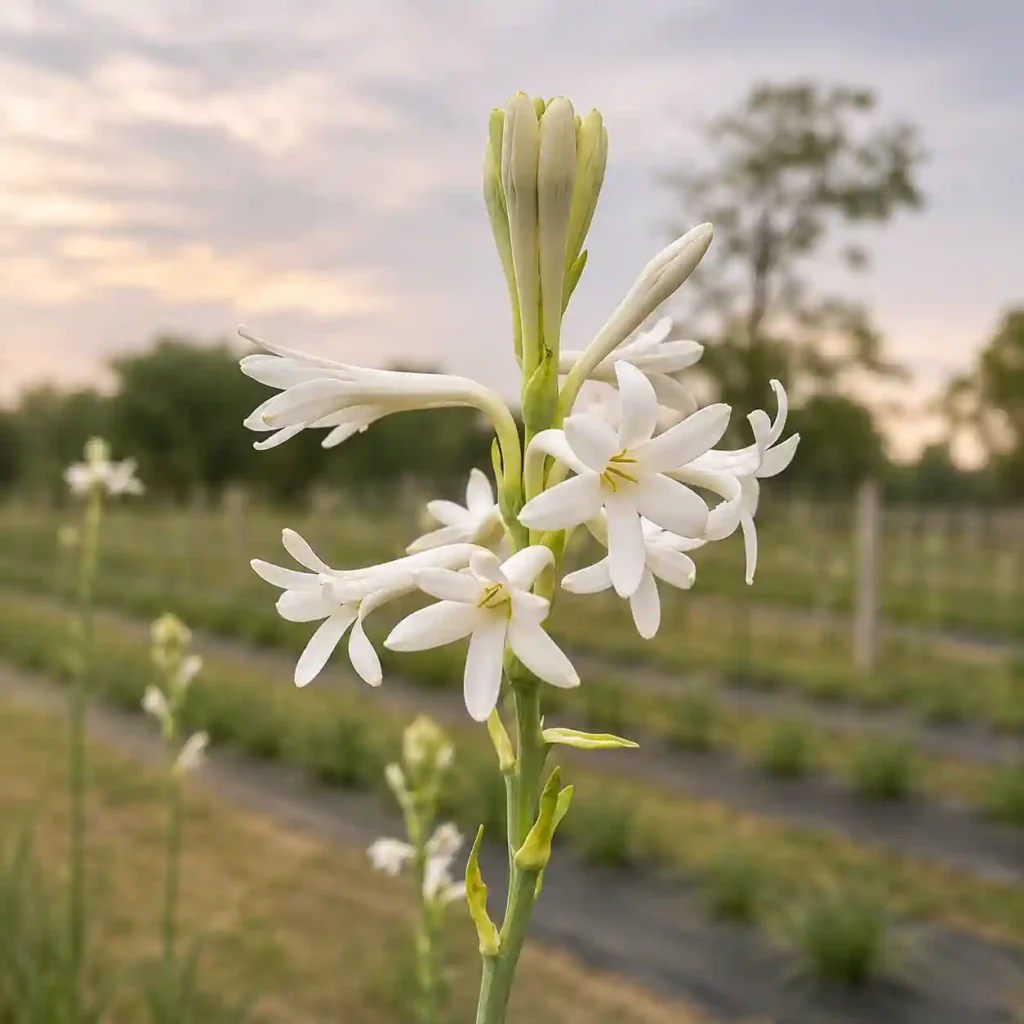
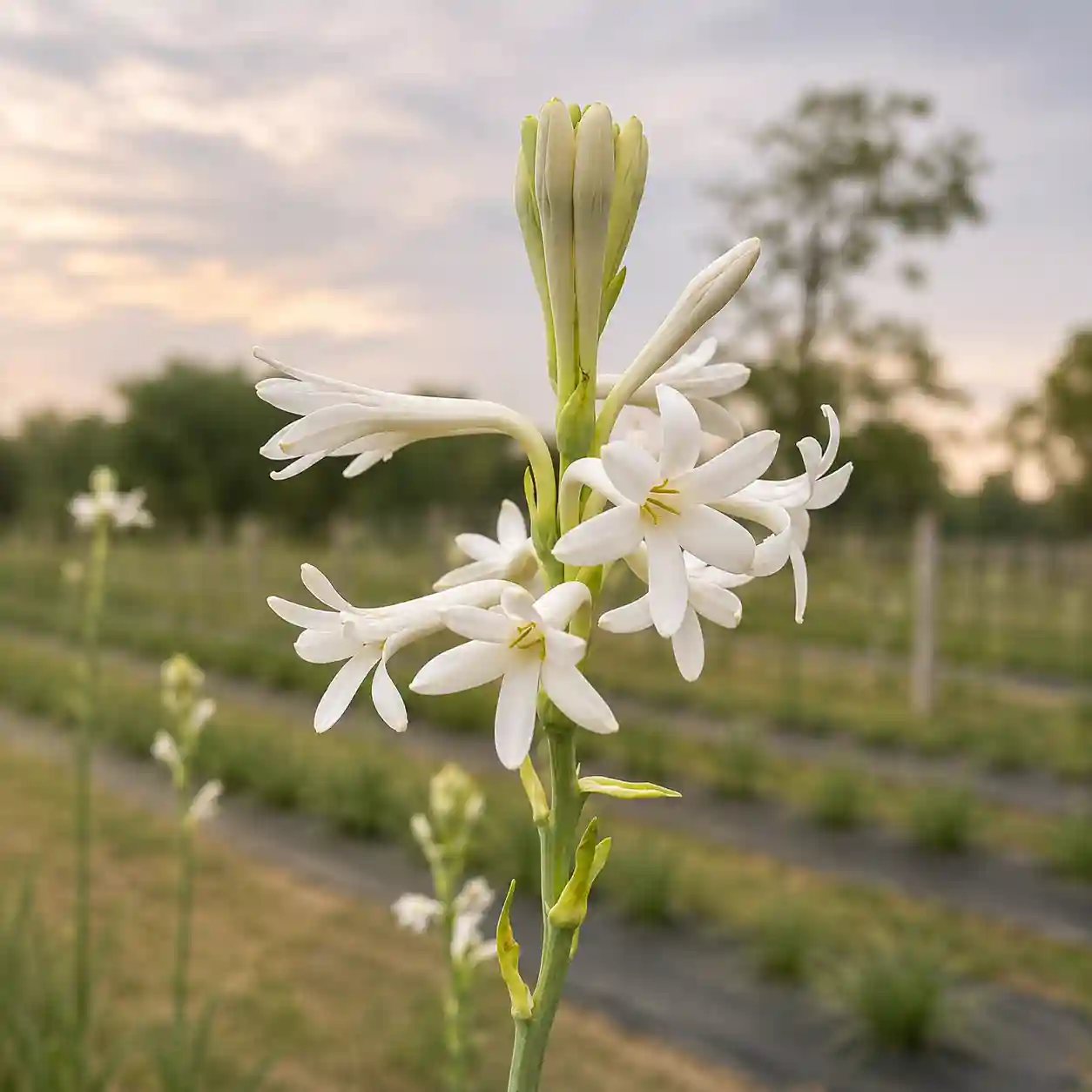
While looking into this, I came across tuberose. It’s a flower many people know, but I had only just learned how highly its extract is valued in perfumery.
Curiosity took me to Khon Kaen. I visited a tuberose field, learned from its grower and bought some bulbs to try growing at home.
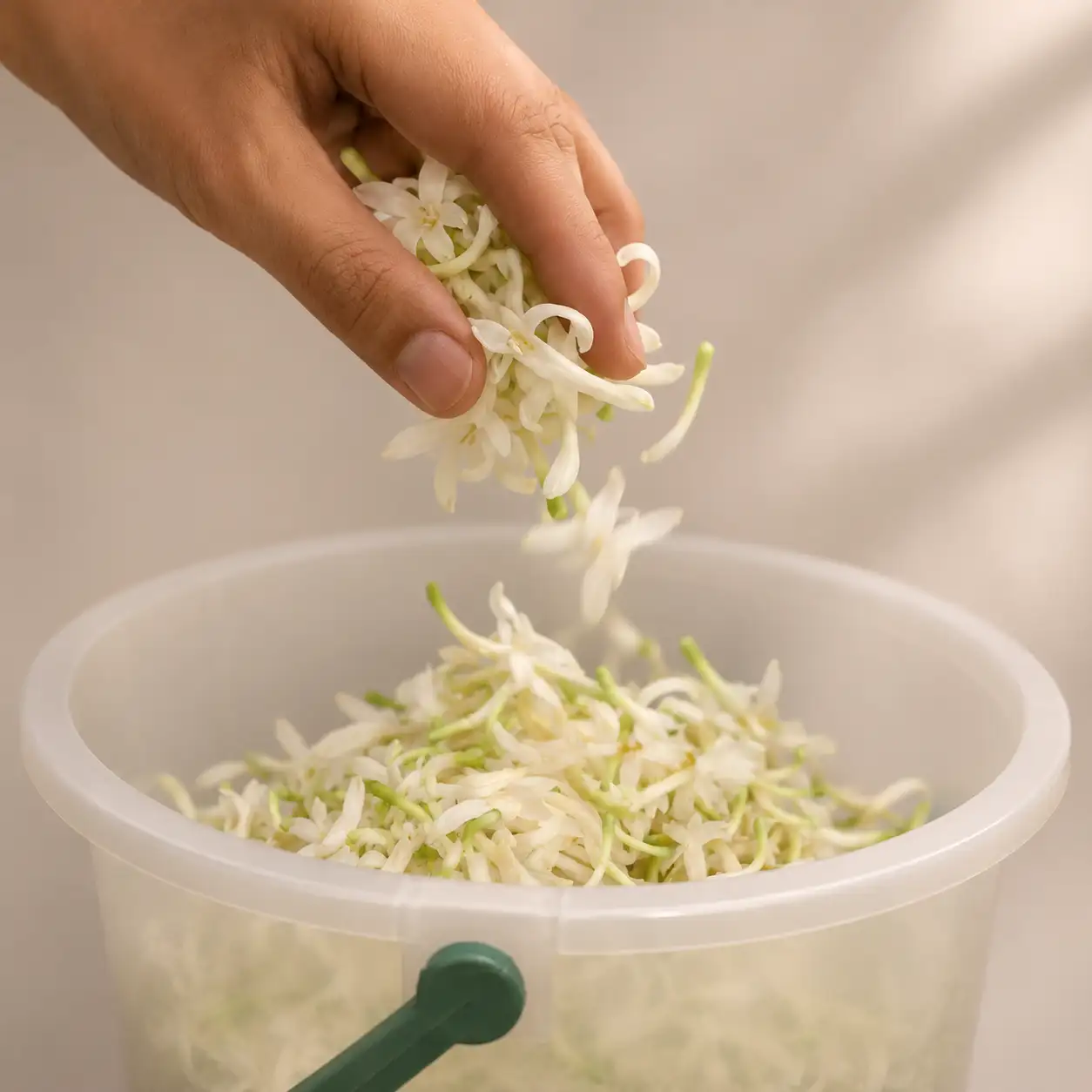
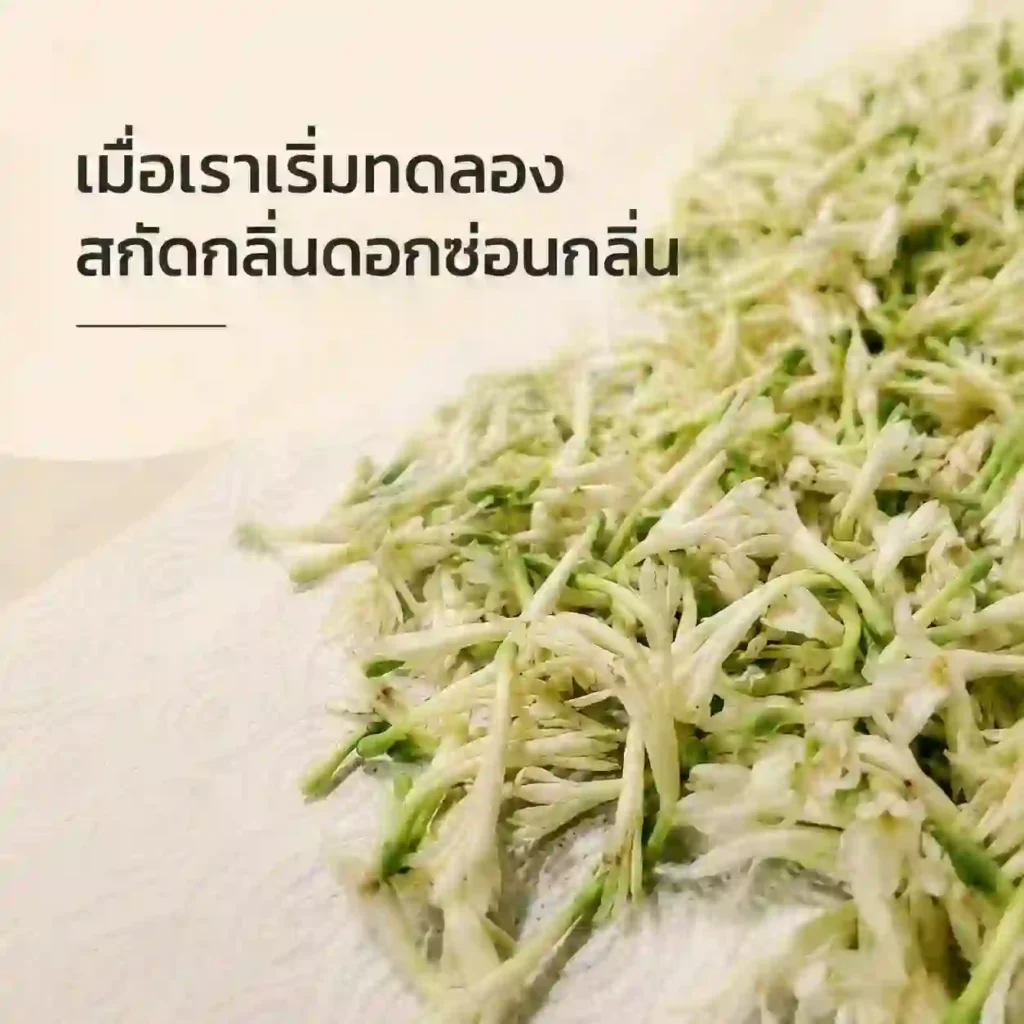
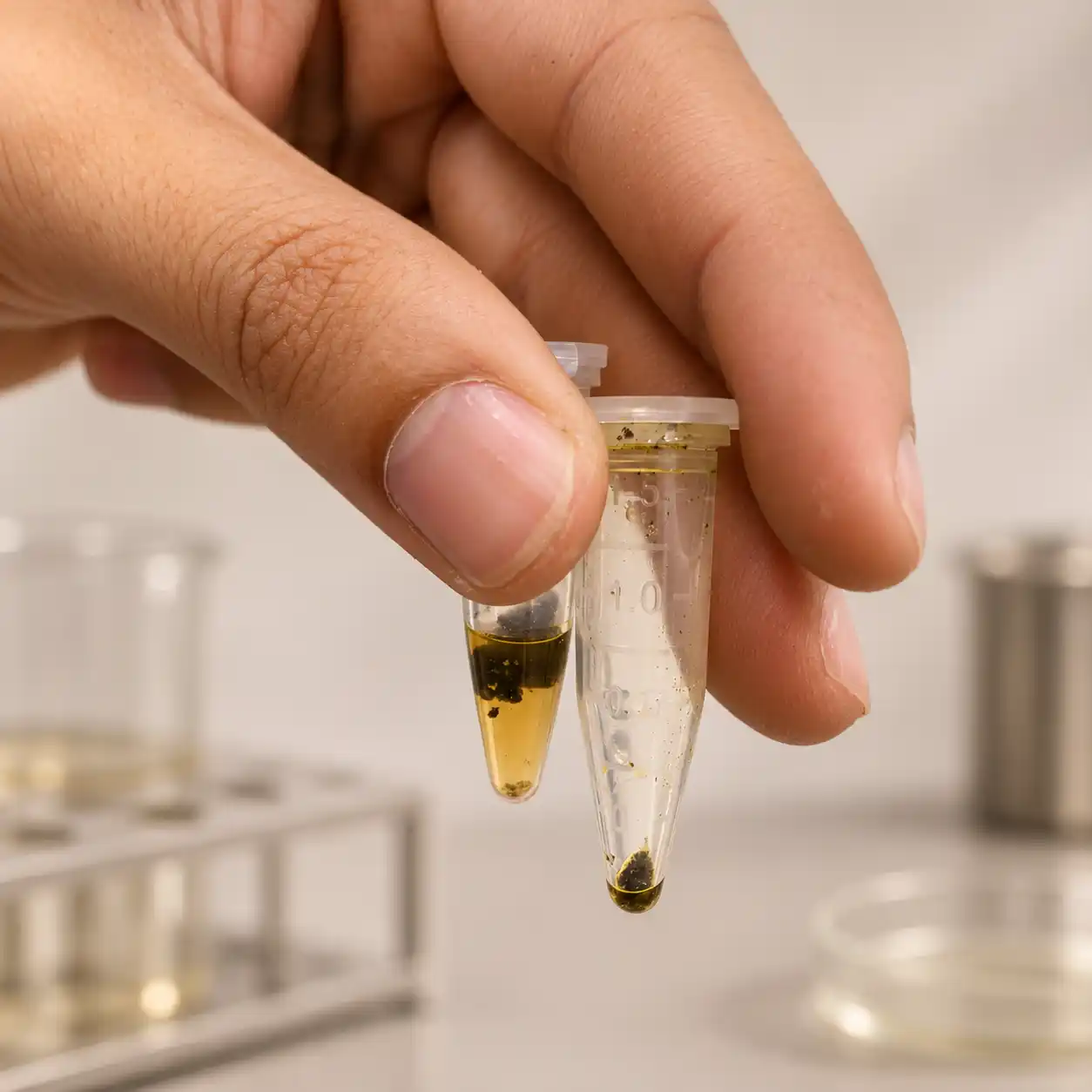
Later, I tried extracting the scent with alcohol. I replaced the flowers with fresh ones several times and kept the mixture for months.
It turned out quite differently from what I’d hoped.
The clearest smell was the alcohol. I’d been waiting for the scent of tuberose.
That experiment gave me my first real sense of how difficult it is to capture a flower’s fragrance.
Read the story of the tuberose experiment
What it takes to capture a flower’s scent
After that first attempt, I began to look more closely at how aromatic compounds are extracted from plants.
I learned about enfleurage, which uses fat to absorb a flower’s scent, about solvent extraction and about other extraction techniques. I also studied traditional Thai perfumery.
The more I learned, the more detail I discovered behind a single scent.
The plant, the time of harvest, the handling of the flowers and the extraction method all influence what ends up in the extract.
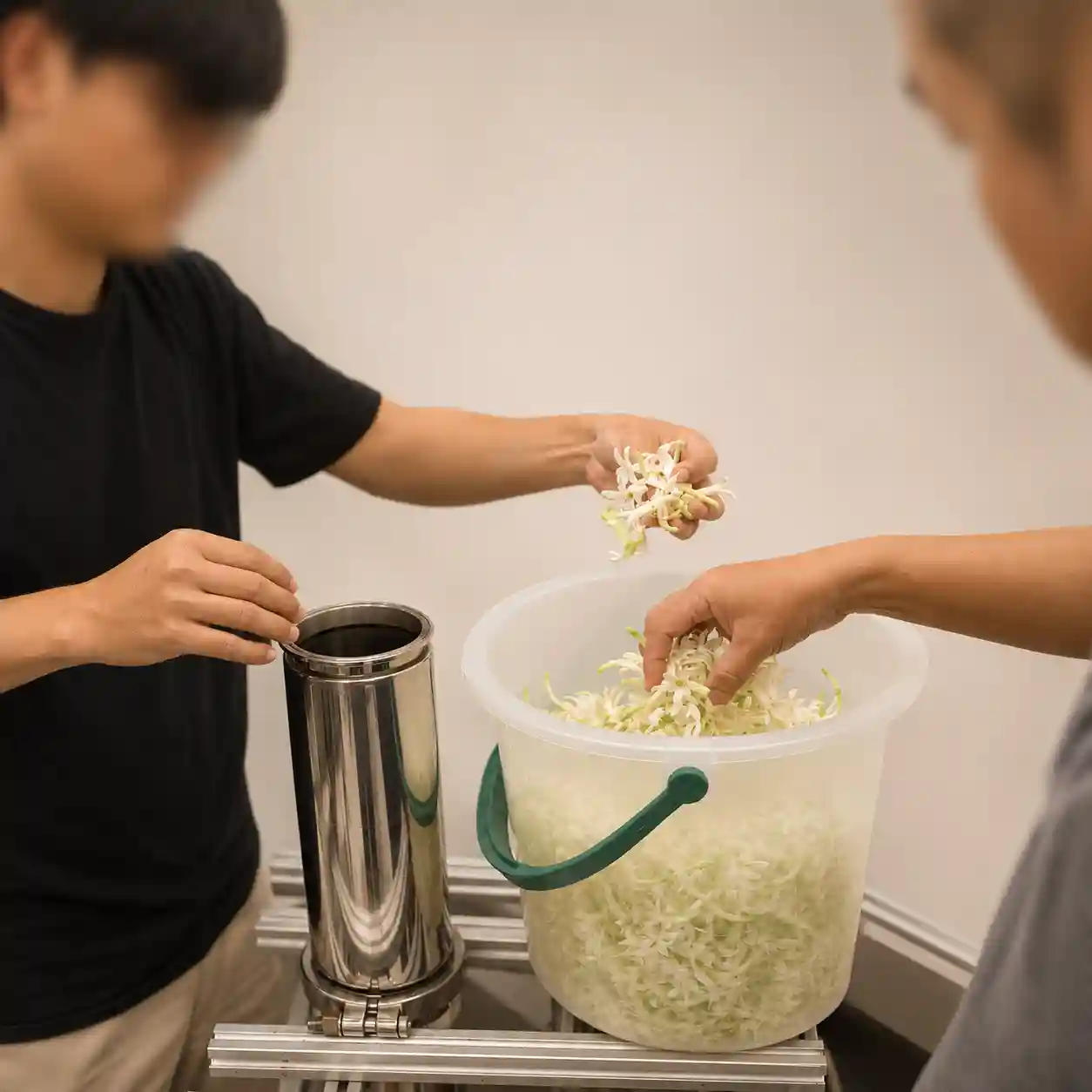
Kasetsart University research on tuberose oil extraction and chemical composition
I also began to understand that something from nature can suit one person and be unsuitable for another.
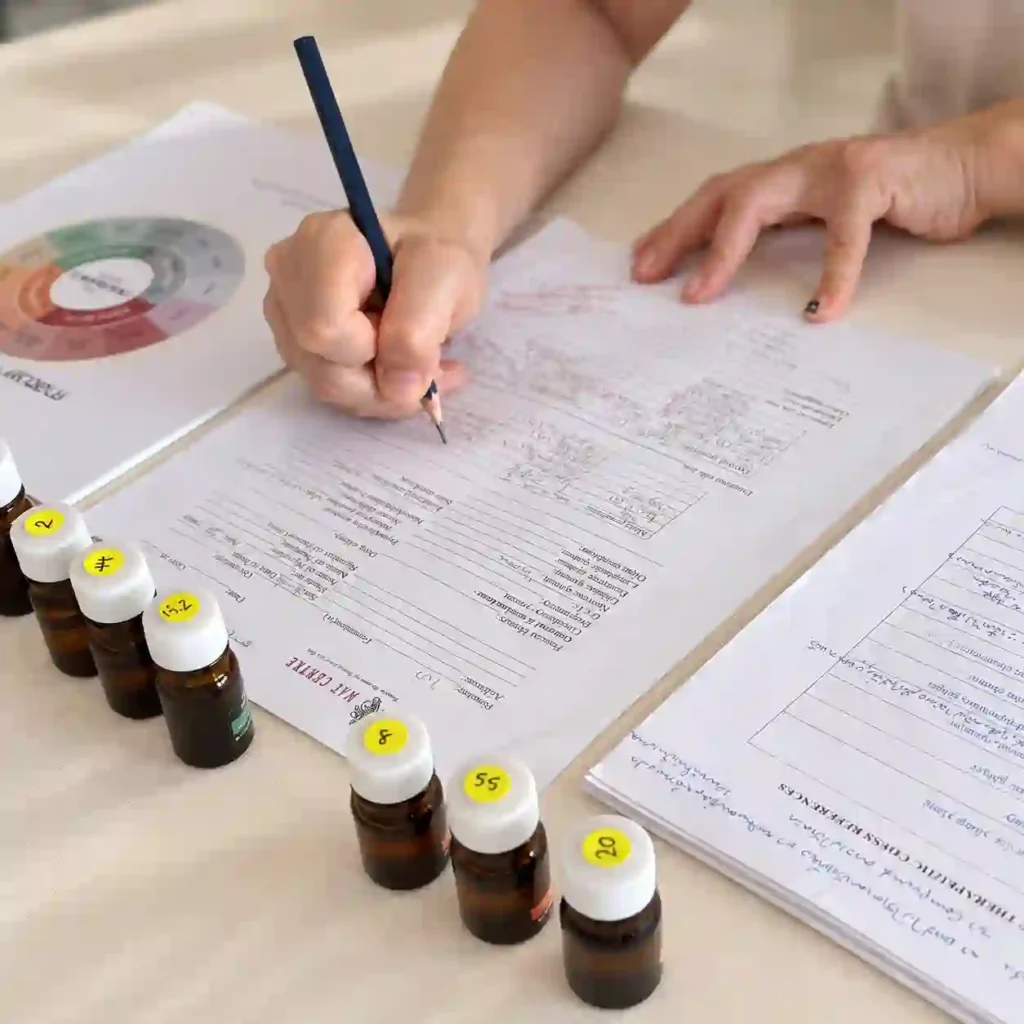
Essential oils contain naturally occurring chemical compounds. Concentration, how an oil is used and the precautions it calls for all deserve careful study.
I’d started out asking how to capture the scent of a flower. Now I wanted to know how to choose a scent and use it with care.
Read the story about essential oils and allergies
Scent and the simple act of noticing my breath
Another part of my life that means a great deal to me is practising Vipassana meditation.
At my first retreat, even noticing my own breathing was difficult.
I closed my eyes and couldn’t tell where I felt the air touching me. By the third day, I wanted to leave and go home.
That experience was the beginning of learning to observe my thoughts, my feelings and my own reactions.
Years later, while studying aromatherapy, I found myself wondering:
If simply noticing a breath feels difficult at first, could a scent give someone a way to begin?
I don’t think of scent as part of Vipassana practice, or as something that produces mindfulness in place of practice.
What interests me is a small moment in everyday life. Noticing a scent might give someone who is just starting out a reason to pay attention to their breathing.
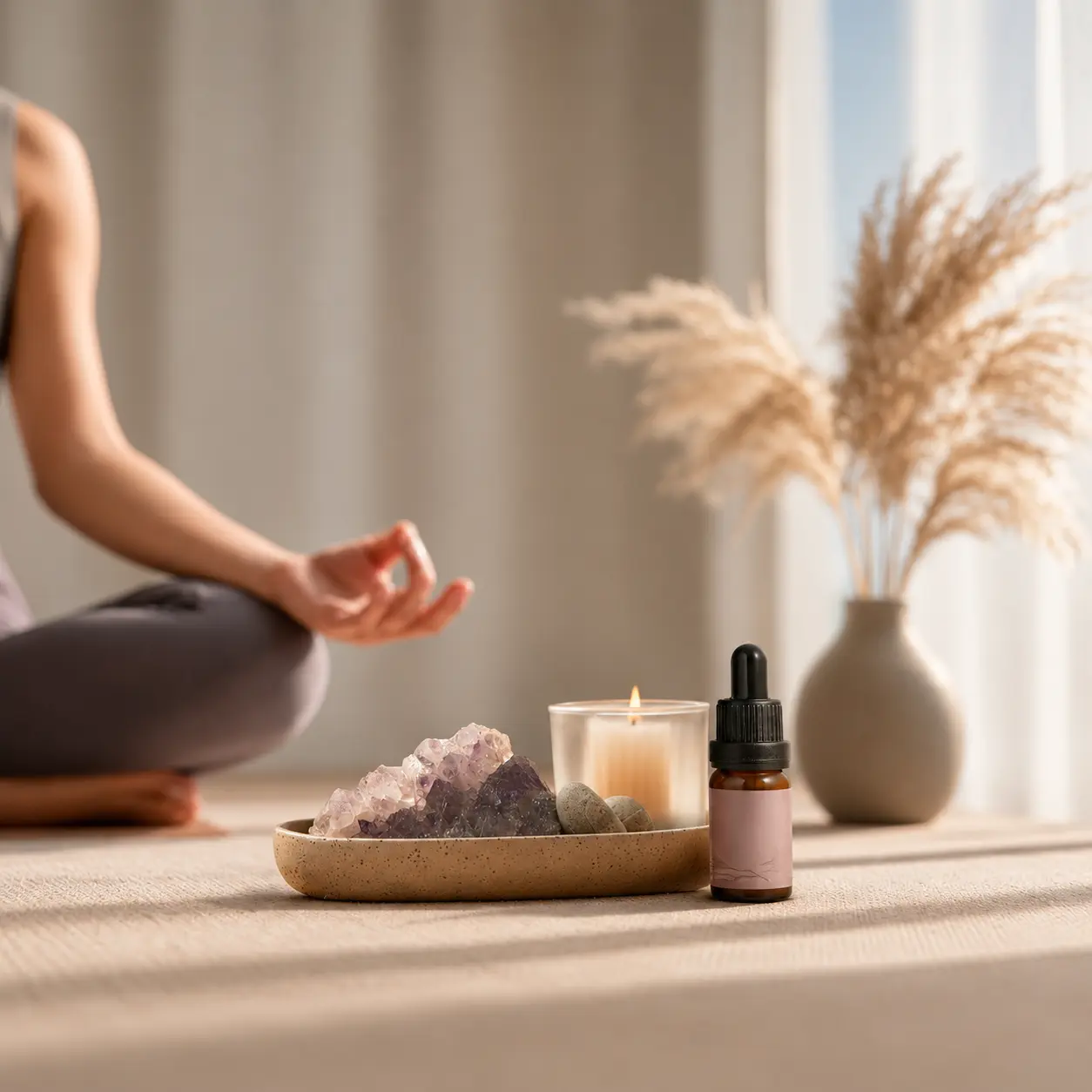
Read about my ten years of learning to notice the breath
How these experiences became AROMAYU
Looking back, I can see what those two paths had in common.
Along each one, I was learning to pay closer attention and to understand a little more of what I noticed.
The tuberose experiment taught me to ask questions about the raw materials and what happens to them during production.
Studying essential oils taught me to consider both the benefits and the safety of using a scent.
Paying attention to my breath showed me the value of noticing how I feel.
Little by little, these experiences shaped the thinking behind AROMAYU.
I love what a scent can do for the atmosphere of a room. I also want it to be one small thing people can choose for themselves as part of their everyday care.
Some days we feel out of sorts. Things turn out differently from what we hoped. Experiments go wrong.
I believe there is something to learn from each of those experiences if we give ourselves time to notice and understand it.
Soul Journey — notes from along the way
Soul Journey is where I want to keep these stories.
The questions that stayed with me. The things I tried. What worked, and what surprised me by turning out quite differently.
Some entries come from personal experience, some from study. Others are questions I’m still trying to answer.
I don’t have an answer for everything.
I do want to share what I’ve learned along the way, in case it offers something to someone else who is searching, learning or trying to understand themselves a little better.
For me, AROMAYU began with scent and grew to encompass much more.
It’s about getting to know nature, caring for our emotions and finding our way back to ourselves.
Questions about the story of AROMAYU
Why did you choose tuberose for your experiment?
I wanted to understand how Thai crops could gain value. Learning how highly tuberose extract is valued led me to visit a grower in Khon Kaen and bring home bulbs to grow myself.
What happened in your first tuberose extraction experiment?
I soaked the flowers in alcohol, replaced them several times and kept the mixture for months. The clearest smell was still alcohol. That experience sent me looking into other extraction methods.
How does scent relate to noticing the breath?
For me, the moment I notice a scent offers an opportunity to notice a breath. The question grew out of my early experience with Vipassana and continues to interest me in everyday life.